Executive Summary
TorZon Darknet operates as a decentralized hidden service designed for the exchange of digital commodities and privacy-focused assets. Established during a period of significant network restructuring, the platform emphasizes robust operational security, utilizing advanced cryptographic routing to preserve participant anonymity.
Observers note its primary function revolves around digital goods, software analysis tools, and secure communications infrastructure. By prioritizing system resilience over rapid expansion, the platform has established a distinct operational footprint within the broader encrypted network ecosystem.
Historical Timeline
Network Deployment
Phase 1Initial infrastructure deployed on the onion router network. Core structural components included basic escrow capabilities and a traditional centralized wallet system for early participants.
Cryptographic Integration
Phase 2Complete transition to native Monero (XMR) support, deprecating transparent ledgers. Mandatory PGP two-factor authentication implemented across all user accounts to mitigate credential stuffing vectors.
Architecture Upgrade
Phase 3Implementation of walletless operational modes and advanced Multi-Signature (Multisig) contracts. Infrastructure decentralized to resist persistent denial-of-service disruptions.
Technical Architecture
Escrow & Multisig
The platform's technical framework relies heavily on multi-signature (Multisig) transactions, requiring multiple cryptographic signatures to execute a transfer. This minimizes reliance on traditional, centralized escrow honeypots.
Cryptocurrency Support
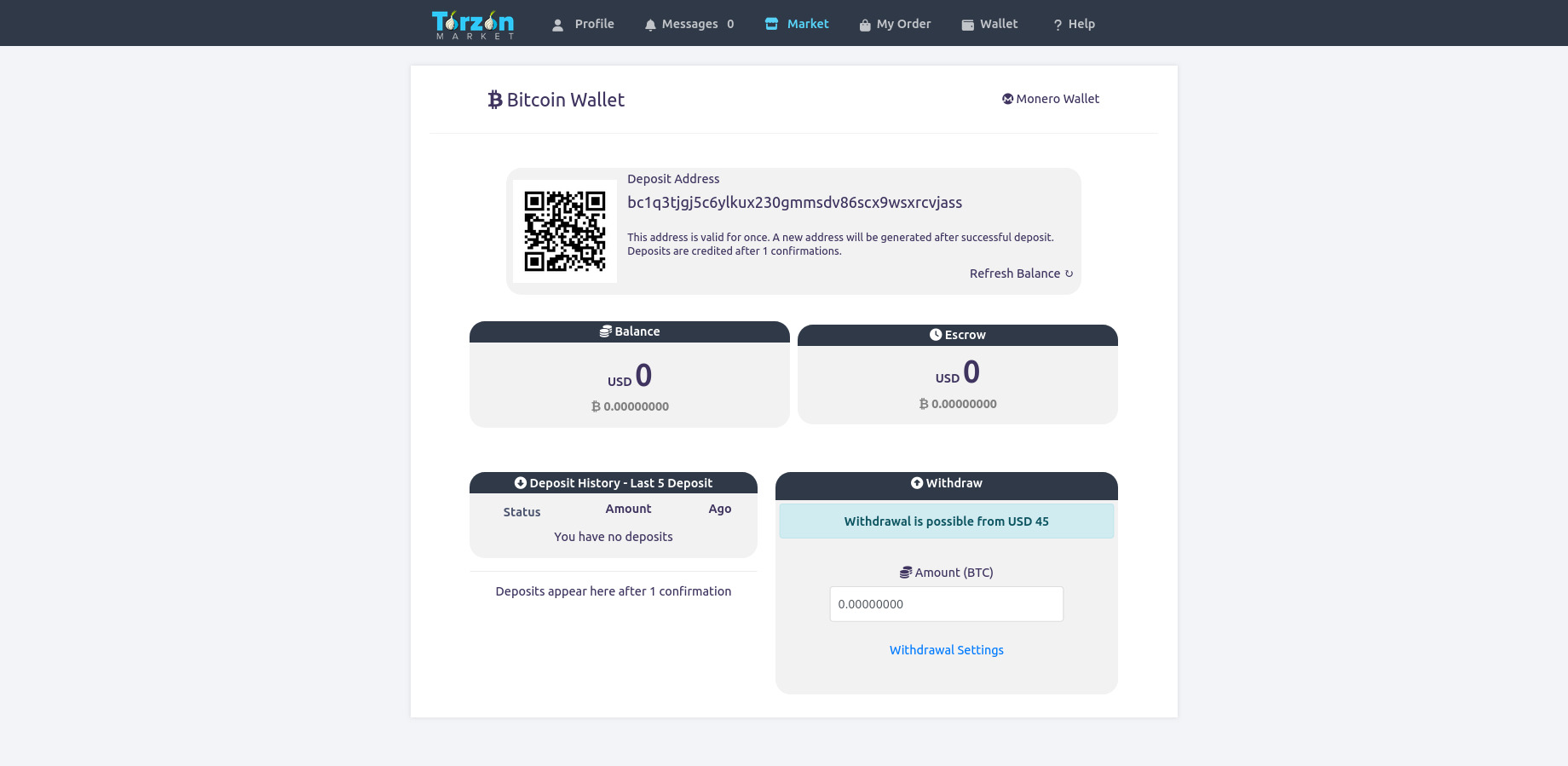
System operations prioritize Monero (XMR) to leverage ring signatures and stealth addresses for enhanced financial privacy. Bitcoin (BTC) support remains strictly for legacy onboarding, heavily discouraged by system warnings.
Walletless Architecture
Recent audits indicate a full shift toward walletless order processing. Participants no longer maintain persistent balances on the platform infrastructure, paying for individual transactions directly from external cold storage.
Identity Verification
PGP (Pretty Good Privacy) encryption is strictly enforced. No sensitive communications are transmitted in plaintext. The system enforces 2FA decryption challenges for all account access attempts.
Platform Interface Preview
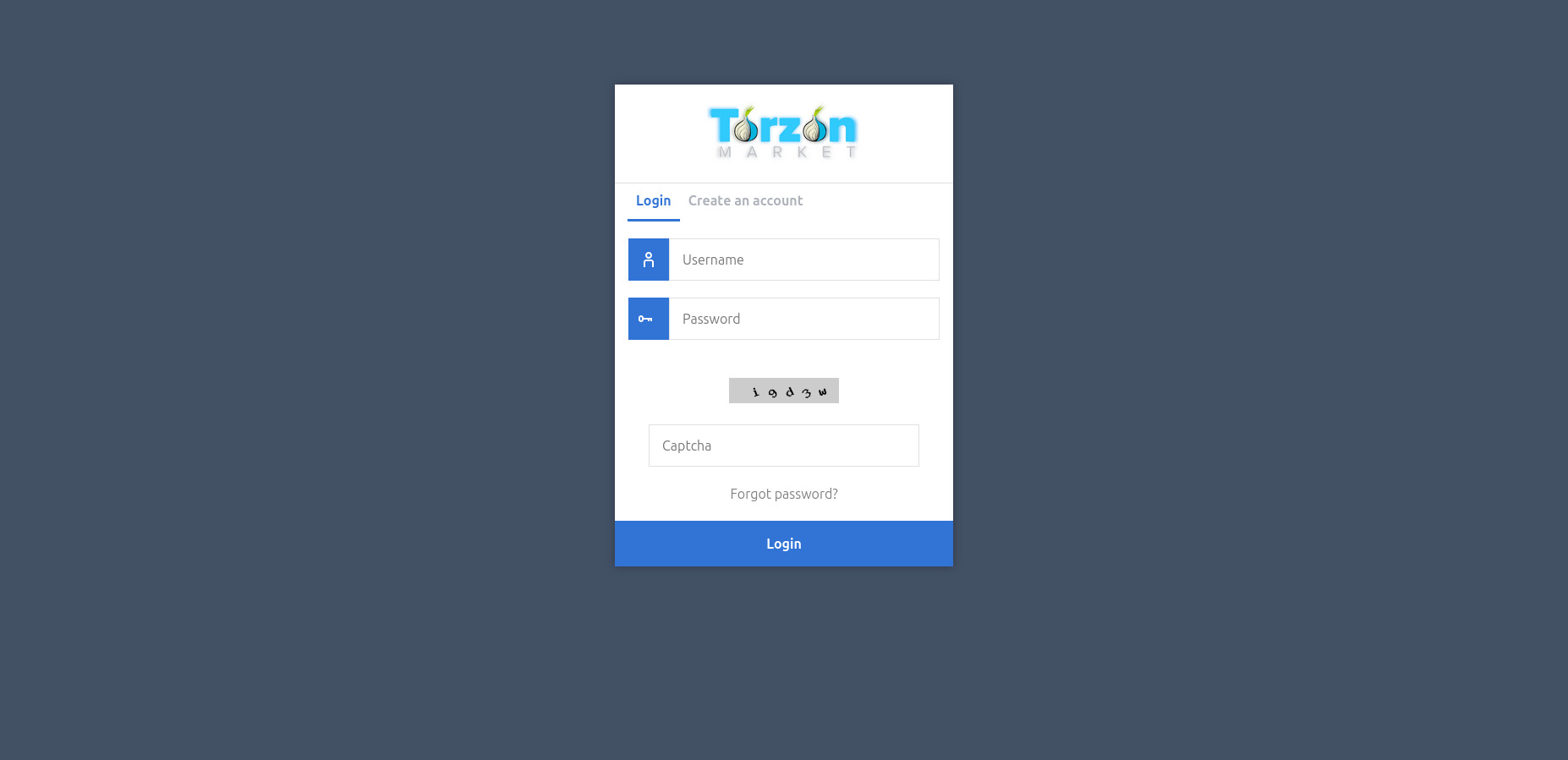
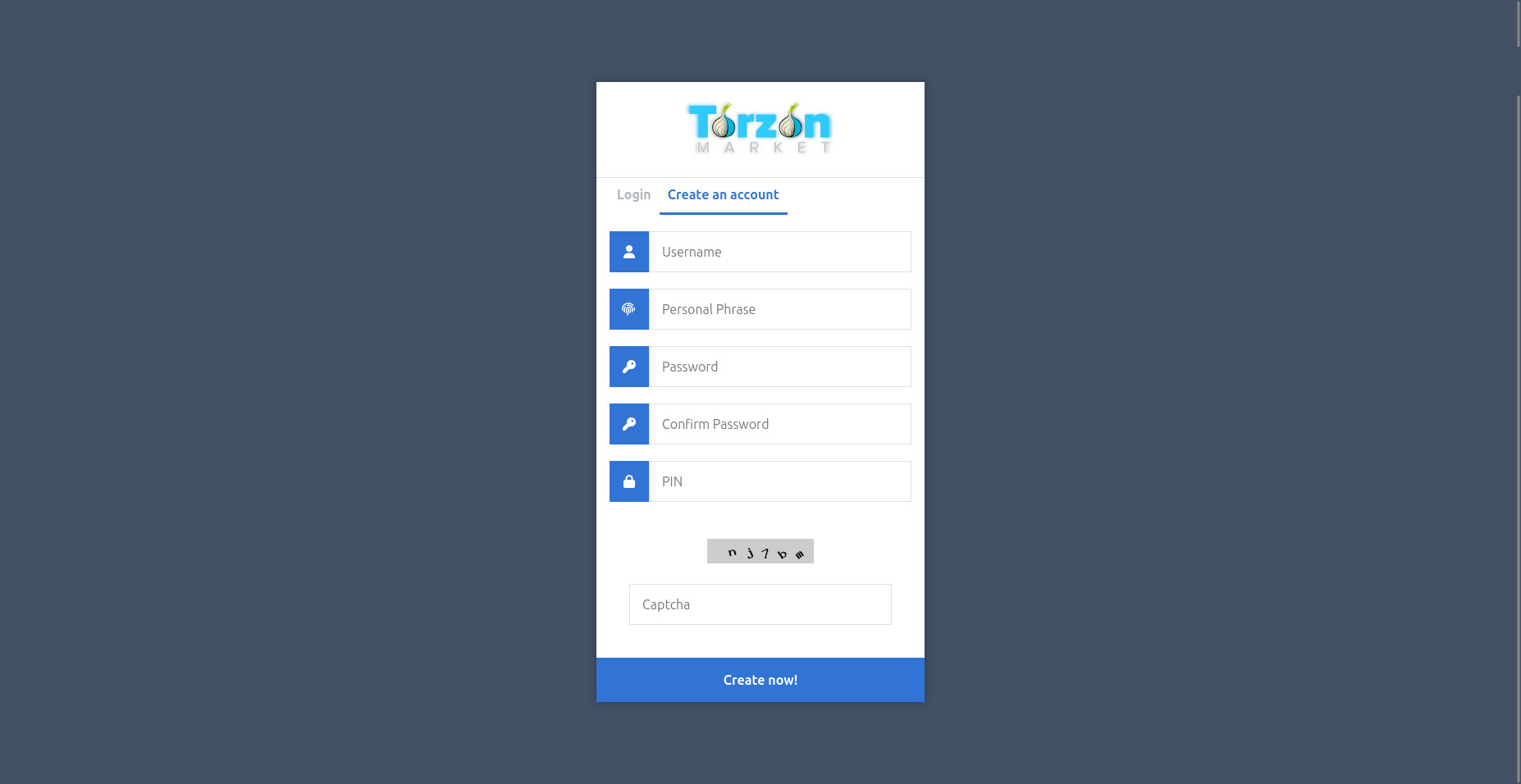
[ARCHIVE DATA] The following captures demonstrate internal platform topology and user interface elements, compiled by independent research entities.

Community & Operations
While exact operational metrics remain obfuscated by design, independent researchers estimate a steadily growing participant base. The ecosystem functions on strict compartmentalization, ensuring user metadata is completely siloed.
Quality control relies on stringent merchant verification requirements. Commercial providers seeking to establish a presence are mandated to submit substantial security bonds, alongside provable cryptographic track records imported from previous iterations of similar network environments.
The platform maintains a rigorous, community-driven reputation system to self-regulate participant conduct, effectively ostracizing bad actors through automated consensus mechanisms and dispute resolution matrices.
Observed Metrics
- Node Topology: Decentralized
- Verification Bond: Dynamic (XMR)
- Communication: RSA-4096 / ECC
- Primary Chain: Monero